+34 966 497 016
 +34 663 30 61 74


 Continue with Google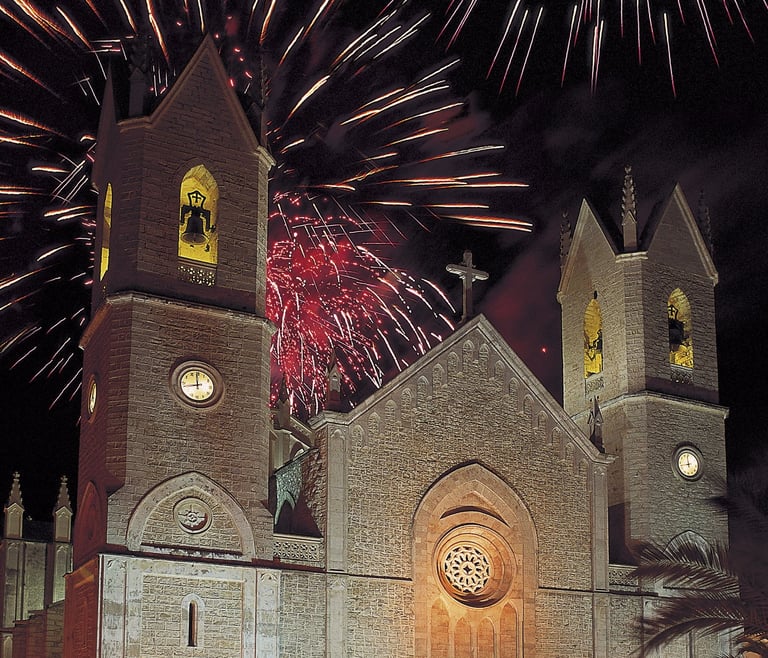
Benissa Old Town
Moriscan history, stone with memory, and a walk through alleyways.
The historic center of Benissa is not by the sea, and perhaps that's why it still retains some of its untouched charm. Less noise, more calm, and plenty of history in every corner.
This area began as a Muslim settlement. It was inhabited by the Banu-Isa, an agricultural clan that shaped what are now Mossèn Gaspar Tello, Puríssima, and Santa Anna streets. In the 13th century, Jaume I arrived with the Crown of Aragon, and history changed hands… although many traces remain.
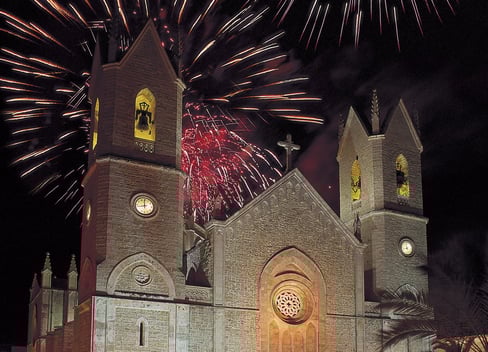
To start, you can visit the Church of la Puríssima Xiqueta, known as the Cathedral of the Marina. It is large, imposing, and its neo-Gothic silhouette stands out among low roofs. Construction began in the early 20th century, and its nearly 35 meters in height do not go unnoticed.
From there, continue along Calle la Puríssima until you reach the Sala del Consell, from the 16th century. It was a trading hall, meeting room, grain warehouse… whatever was needed. Today, it is a living vestige of organization from another time.
Along the way, you will encounter a special figure: the Riberer. It is a tribute to the men of Benissa who walked to the rice fields in the Valencian Ribera to earn their bread. A local, harsh, and real story, transformed into sculpture.
Finally, stop in front of two houses that are not just for show:
- The Casa del Batlle, now the Municipal Library Bernat Capó and an artistic headquarters linked to the legacy of Salvador Soria.
- And the Casa Abargues, on Calle Desamparats, stately and resilient, with a façade that needs no words.
What you need to know
 Location: Downtown Benissa
 Recommended schedule: mornings or afternoons
 Duration: 1 hour to midday
 Level of effort: Easy
 Access: On foot
 Ideal for: History lovers, walkers
Accommodations in Benissa

 Exclusive
 3 bed.
  5
5

 Recommended
 3,0 km


You might also be interested in Benissa